I used to think a manicure was a manicure. You picked a color, you sat down, you left with shinier hands than you walked in with. It took years of chipped polish and one stubborn hangnail that turned into something worse before I started paying attention to what was actually happening at the table.
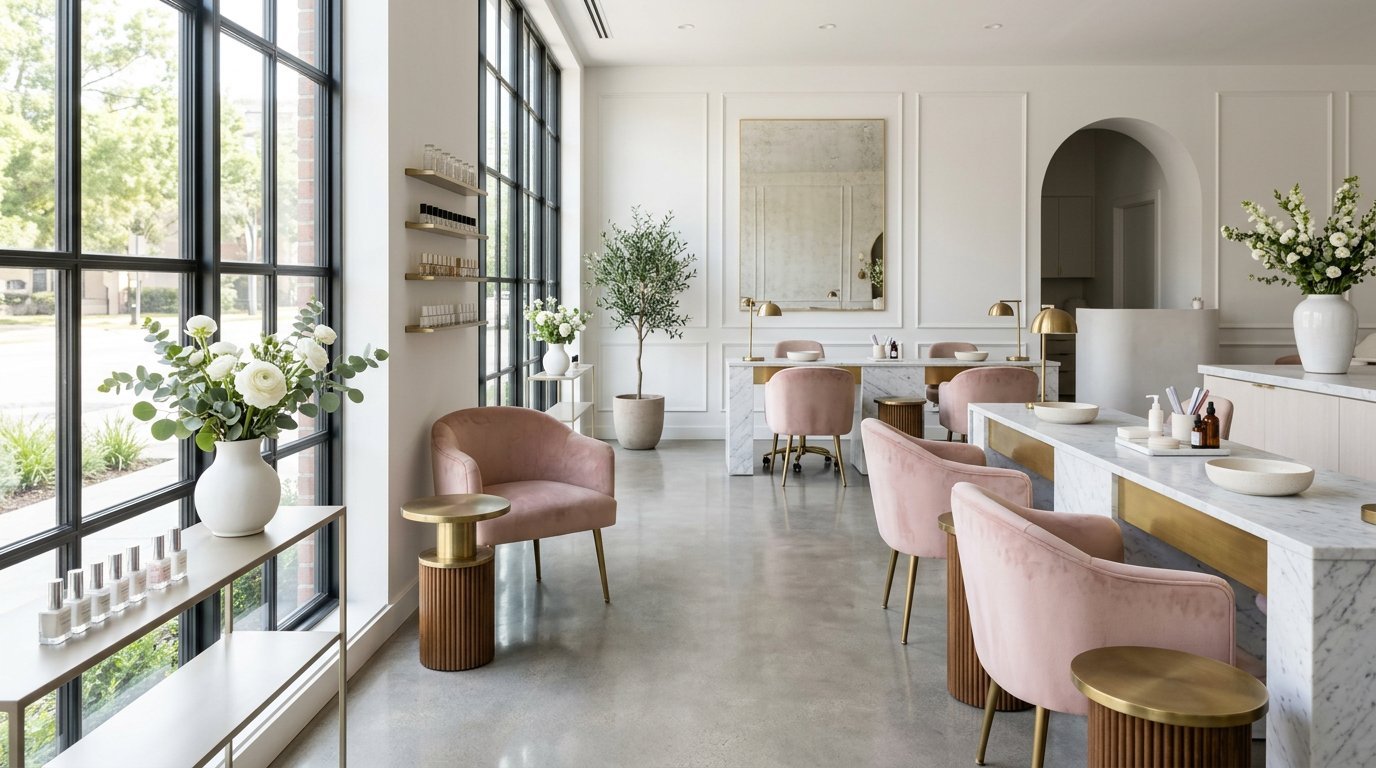
That attention is what eventually sent me reading about technique instead of trends, and somewhere in that reading I came across Gilded Ritual, a quiet nail salon in Upper East Side that works in the Russian and Japanese traditions, which gave me a useful frame for the rest of what I learned.
The point was never a brand.
What kept nagging at me was simpler than that. My nails looked different depending on who worked on them. Same color, same hands, wildly different result. Some sets grew out clean and flat, and others lifted at the edges almost right away.
The difference was never the polish. It was everything underneath it.
Why the cuticle is doing more than you think
The cuticle is not just skin to push out of the way. It is a seal that sits at the base of the nail and keeps bacteria and water out of the area where new nail is forming.
When someone clips it carelessly, that seal breaks, and the gap is exactly where infections start.
This is the part that surprised me most.
Structured cuticle work, the kind associated with Russian technique, uses a small electric file to clean the area precisely rather than soaking and cutting. The idea is to remove only the dead tissue clinging to the nail plate and leave the living seal intact. Done with care, it reads less like a beauty step and more like minor groundskeeping.
There is real debate here, and it is worth knowing. Some dermatologists caution that aggressive cuticle removal can do harm if a technician goes too deep or moves too fast.
The skill is in restraint. A good table cleans the edge without invading the living tissue underneath, which is why training matters so much more than the menu on the wall.
What clean shaping has to do with how nails grow
Shaping is the other half of the work, and it gets less attention than it deserves. When the free edge of a nail is filed evenly and the structure underneath is supported, polish has a flat, stable surface to grip. That is why some manicures last and others peel.
A rushed file leaves micro-tears along the edge. Those tiny splits catch on fabric and start the peel that ruins a set.
So the longevity people credit to a good gel is often just careful prep. The color is the easy part.
The case for skipping the water
For years the foot soak felt like the whole point of a pedicure. Warm water, a few minutes off your feet, the small luxury of it.
I was genuinely surprised to learn that a lot of studios have moved away from it on purpose.
The reasoning is mostly about hygiene. A shared footbath, even a clean-looking one, is hard to fully sanitize between clients, and the warm standing water is a friendly place for bacteria and fungus to travel. Waterless pedicures skip the tub entirely and use oils, scrubs, and warm towels to soften skin instead.
There is a second benefit I had never considered. Soaking actually swells the nail, and polish applied to a swollen nail loosens as the nail dries back to its normal size.
A dry approach means the surface you are painting is the surface that stays, so the work holds longer.
I will admit I miss the soak a little. The trade feels worth it.
Hygiene is a system, not a vibe
Clean is easy to fake. A room can look spotless and still cut corners where it counts, like tool sterilization between clients or single-use files that should never be reused.
The studios that take this seriously tend to treat it as a whole system rather than a surface. Autoclaved metal tools, fresh files per person, a waterless setup that removes the riskiest shared surface from the equation.
None of it is glamorous, and that is sort of the point.
How to read a nail studio before you book
Once you know what good looks like, you can evaluate a place quickly, and most of the signals show up before any polish goes on.
Watch the cuticle work first. A technician who soaks and clips fast is working an older, riskier playbook. One who uses an e-file with a light, patient hand and stops at the living seal is showing you their training in real time.
Ask how they handle tools between clients. The answer should be specific and a little boring, because real sterilization protocols are boring.
Pay attention to structure, too. Appointment-only studios are not being precious. The model exists so a technician can give one set of hands their full attention instead of juggling three chairs, and that focus is exactly what precise cuticle work requires.
And notice the calm. A serious table is unhurried because the work cannot be rushed without getting sloppy.
Quiet is not an amenity here. It is a sign the craft is being respected.
Coming back to the table
I think about that early version of myself, the one who believed a manicure was just a color and a chair.
She was not wrong, exactly. She just had no idea how much was happening she could not see.
Now I watch the hands. I notice whether the cuticle is cleaned or carved, whether the edge is shaped or rushed, whether the room is calm because the work demands it. The polish still comes last, the way it always did, but I finally understand why two identical colors can age so differently on the same pair of hands.
Good nail care was never about the shine. It was about everything underneath that makes the shine last.